For the discussion
Use a short prompt deck or written question list as a backup, not a script. Choose questions that invite evidence from the text and different interpretations.
Book club field guide
A premium cold-weather meeting plan for discussion prompts, warm drinks, low-prep snacks, table atmosphere, member gifts, and a reset that does not exhaust the host.
Holiday book-club hosts want a generous but manageable meeting with useful discussion, inclusive food choices, simple atmosphere, and optional member gifts that do not overwhelm the night.
Reviewed by Book Club Shelf editors · Updated 2026-10-24
Before you choose
A holiday meeting has more pressure than a normal month: calendars are crowded, food preferences matter, and the temptation is to turn the gathering into an event production. The better plan is a clear discussion start, one warm drink path, a few low-prep foods, and a room that can reset quickly.
Keep the book visible. Put one or two strong questions on the table before adding trivia or a gift exchange. If not everyone finished, begin with character, atmosphere, or a central choice rather than a question that spoils the ending.
Gifts should be optional and bounded. A small bookmark, tab set, tea, journal, or host thank-you works across genres. If the club wants an exchange, set the format and expectations before anyone shops.
Use a short prompt deck or written question list as a backup, not a script. Choose questions that invite evidence from the text and different interpretations.
Offer one warm caffeinated option, one caffeine-free option, water, and clear labels. A simple kettle-and-mug path is easier than a custom drink menu.
Choose items that can sit safely, be portioned easily, and be eaten without interrupting the conversation. Ask about allergies and dietary needs before the meeting.
Warm lamps, a clear table, and comfortable seating matter more than themed clutter. Keep candles away from books, sleeves, bags, and crowded serving areas.
Set a voluntary format and avoid live-price promises. Genre-neutral reading tools are safer than choosing a novel for someone with a strong list.
The shortlist
Open the Book Club Shelf product page for context, then use Amazon to confirm the exact format and current details.
01

Discussion cards and games
TableTopics
A ready-made discussion deck for hosts who want better questions than “did everyone like it?”
Check the current Amazon listing02

Discussion cards and games
Outset Media
A low-friction trivia pick for groups that want a few rounds before the book talk starts.
Check the current Amazon listing03
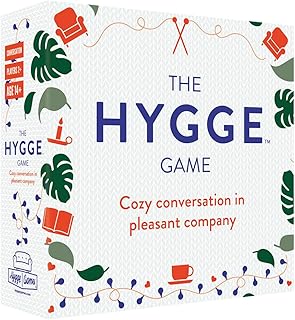
Discussion cards and games
Hygge Games
Conversation prompts that fit mellow book club dinners, wine nights, and mixed-genre groups.
Check the current Amazon listing04

Discussion cards and games
Actually Curious
A thoughtful card deck for clubs that want meaning, not just plot recap.
Check the current Amazon listing05

Discussion cards and games
Vertellis
A polished prompt deck for hosts who like slower, more reflective group discussion.
Check the current Amazon listing06

Discussion cards and games
We’re Not Really Strangers
Useful when a club wants deeper emotional prompts after a character-heavy novel.
Check the current Amazon listing07

Discussion cards and games
DK
A compact trivia book for hosts, readers, and bookish party games.
Check the current Amazon listing08

Tea coffee and drinkware
Fellow
A beautiful kettle for hosts who serve tea, coffee, or cocoa at every meeting.
Check the current Amazon listing09

Tea coffee and drinkware
COSORI
A practical kettle for frequent hosts who want fast, controlled pours.
Check the current Amazon listing10

Tea coffee and drinkware
Teabloom
A centerpiece teapot for book clubs that lean cozy, classic, or afternoon-tea themed.
Check the current Amazon listing11

Tea coffee and drinkware
VAHDAM
An easy hosting add-on for members who drink different tea styles.
Check the current Amazon listing12

Tea coffee and drinkware
Twinings
A familiar tea assortment that makes hosting simpler across different tastes.
Check the current Amazon listingPractical questions
A focused two-hour window works for many groups: arrival and food, a substantial discussion, then an optional exchange or social finish.
Start with non-spoiler questions about voice, setting, expectations, and early choices. Clearly announce before moving into ending discussion.
Bookmarks, tabs, pens, tea, journals, book lights, and small host supplies work across genres and reading speeds.
Limit the menu, use a short setup checklist, ask members to contribute, and choose serving pieces that can go straight back into normal home use.